
Player Reward Synchronization: Linking Poker Hand Histories With Sportsbook Credit Adjustments in Shared Platforms
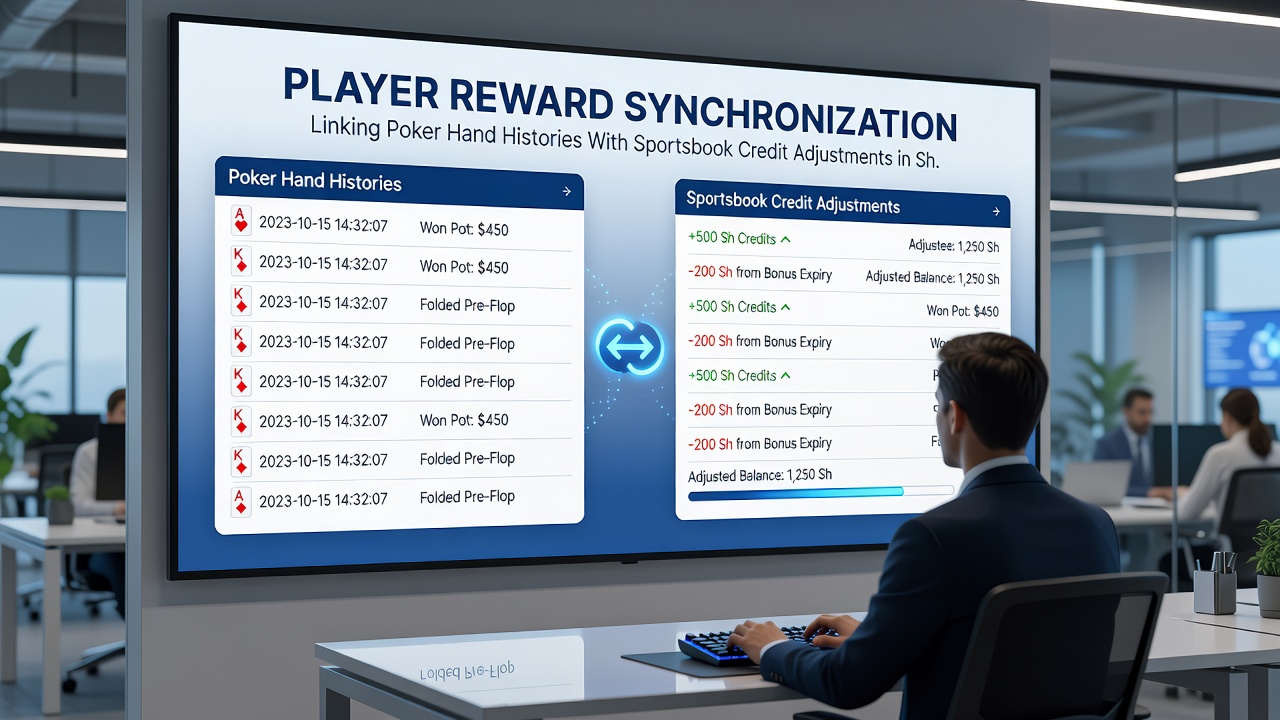
Platforms that combine poker and sportsbook operations rely on synchronization systems to connect poker hand histories directly with adjustments to sportsbook credits, creating unified reward structures across verticals. These systems pull detailed records from poker sessions, including bet sizes, outcomes, and session durations, then route the information through centralized databases that apply corresponding credit modifications in the sportsbook environment. Operators implement this linkage to maintain consistency in player accounts while meeting compliance requirements that vary by jurisdiction.
Data Pipelines That Connect Poker Records to Credit Systems
Hand history files generated during poker play contain structured data points that feed into synchronization engines, and these engines parse elements such as rake contributions along with win-loss figures before mapping them to predefined credit formulas. The process occurs in real time or through scheduled batch updates, depending on platform architecture, while encryption protocols protect the transfer of sensitive transaction details between modules. Observers note that integration often occurs through APIs that standardize formats across poker and sportsbook software, reducing discrepancies that could otherwise arise during manual reconciliation.
Research from academic institutions, including studies conducted at the University of Nevada, Las Vegas, has examined how timestamp alignment between poker logs and sportsbook ledgers prevents duplicate or missed adjustments. Data indicates that platforms using unified player identifiers achieve higher accuracy rates when matching histories to credit events, and this approach supports audit trails required by regulatory bodies.
Technical Components of Credit Adjustment Logic
Adjustment logic applies multipliers or tier-based rates to poker-derived metrics before crediting sportsbook balances, and the formulas incorporate variables such as game type, stake level, and loyalty tier status. Engineers design these rules to trigger automatically once hand histories clear validation checks, while exception-handling routines flag anomalies for manual review. Those who maintain such platforms report that version control on the underlying scripts helps prevent drift between poker and sportsbook calculation methods over successive updates.
Regulatory Frameworks Governing Cross-Vertical Reward Flows
Authorities in multiple regions oversee how operators synchronize rewards, and guidelines issued by the Nevada Gaming Control Board in July 2026 emphasized requirements for transparent data mapping when poker results influence sportsbook credit lines. Similar expectations appear in documentation from the Australian Communications and Media Authority, which tracks compliance through periodic reporting on integrated systems. These frameworks require operators to retain hand history archives for defined periods and to demonstrate that credit adjustments follow documented algorithms rather than discretionary decisions.
Industry reports compiled by the European Gaming and Betting Association highlight the use of third-party verification tools that test synchronization accuracy across sample datasets. Figures from these analyses show that platforms passing such audits experience fewer disputes related to reward calculations, and the same reports note ongoing work to align standards between North American and European markets.
Implementation Patterns Observed Across Major Operators
Operators deploy synchronization through modular middleware layers that sit between poker engines and sportsbook management systems, allowing independent scaling of each vertical while preserving data consistency. One documented approach involves hashing player identifiers at the point of data capture, which then enables matching without exposing raw account details during transfer. Platforms that adopted this method during 2025 upgrades reported smoother transitions when expanding reward programs that span both poker and sports betting.
Case examples from shared-platform deployments illustrate how daily hand history uploads trigger nightly credit recalculations, and these recalculations feed into real-time balance displays visible to players. The same deployments incorporate fallback procedures that pause adjustments if source data integrity checks fail, thereby protecting against propagation of errors into sportsbook ledgers.
Conclusion
Player reward synchronization continues to evolve as operators refine the connections between poker hand histories and sportsbook credit adjustments. Technical standards, regulatory expectations, and implementation practices together shape how these linkages function within shared platforms, while ongoing developments in data handling support consistent account management across gaming verticals.