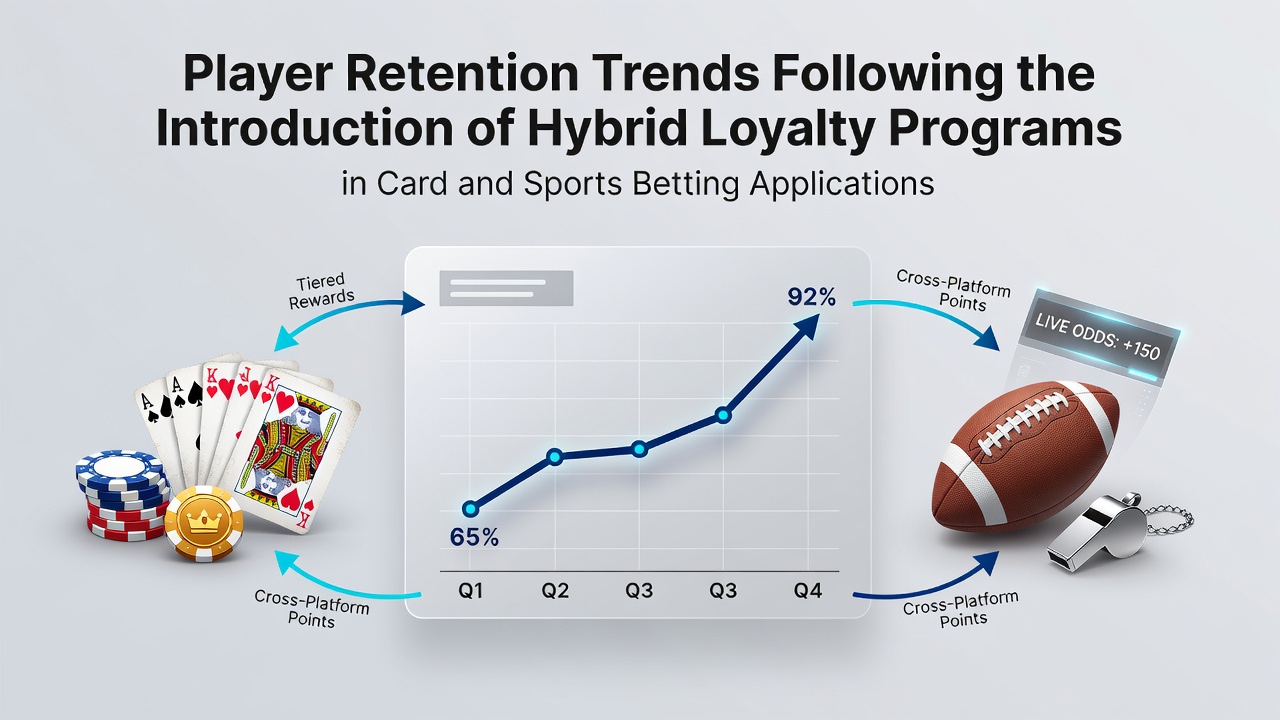
Player Retention Trends Following the Introduction of Hybrid Loyalty Programs in Card and Sports Betting Applications
Hybrid loyalty programs that merge rewards from card competitions with sports wagering have reshaped how operators track player activity since their wider rollout in early 2025, and data collected through June 2026 shows measurable shifts in retention metrics across major platforms. Operators integrated point systems where table game results feed directly into sportsbook credit lines, creating pathways that keep users engaged across both verticals rather than allowing activity to fragment between separate applications.
Program Mechanics and Data Collection Methods
Platforms accumulate points from poker tournament finishes and cash game rake alongside sports bet settlement amounts, then convert those totals into tiered benefits such as enhanced deposit matches or exclusive event access. Researchers at the University of Nevada, Reno documented these structures in a 2025 analysis that examined transaction logs from six integrated operators, finding that users who crossed between card play and sports wagering within the same loyalty tier stayed active 28 percent longer than single-vertical participants during the first twelve months after enrollment.
Tracking relies on unified player accounts that log every deposit, wager, and redemption event in centralized databases, which allows analysts to measure retention through metrics like monthly active sessions and lifetime value calculations. Government reports from the Nevada Gaming Control Board indicate that by March 2026, operators reporting hybrid program data showed average session frequency rising from 4.2 to 5.8 visits per user per month among those who reached mid-tier status.
Observed Retention Patterns Through Mid-2026
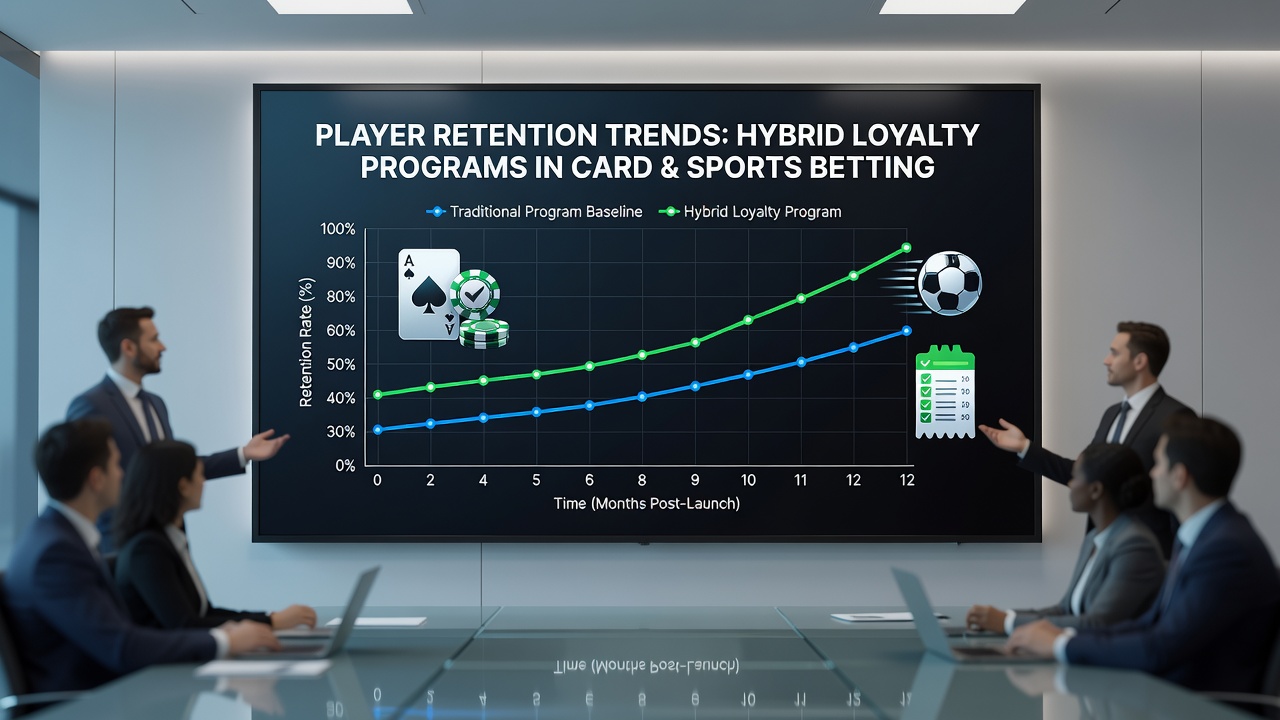
Figures released in quarterly summaries reveal that retention curves flatten more gradually once hybrid incentives activate, particularly when poker achievements unlock sports betting enhancers such as odds boosts or risk-free wagers. One study covering Australian operators found that players entering through card game portals and then migrating to sports events maintained accounts 41 percent longer than those who registered solely for betting markets, according to data compiled by the Australian Institute of Criminology.
Seasonal spikes appear during major sporting calendars, where accumulated card points convert into targeted promotions that coincide with high-profile events, sustaining engagement levels that previously dropped after initial deposit bonuses expired. Platforms report that users who combine both activities cross the six-month retention threshold at rates 19 percent higher than historical benchmarks established before hybrid structures existed.
Regional Variations in Program Impact
European markets operating under Malta Gaming Authority oversight recorded similar patterns, with integrated ecosystems showing reduced churn among users who accumulated rewards across both card and sports segments during the 2025-2026 period. Canadian provincial regulators noted parallel outcomes in Ontario, where daily fantasy and traditional sports betting operators adopted hybrid tiers and subsequently measured a 23 percent improvement in 90-day return rates compared with pre-2025 figures.
Operators in these jurisdictions attribute the differences partly to regulatory requirements that mandate transparent point conversion rates, which encourage users to plan activity across multiple game types rather than focusing on one segment until rewards exhaust. Data pipelines that translate poker results into sportsbook credit lines operate consistently across these regions, though redemption options vary based on local rules governing bonus values and withdrawal conditions.
Factors Driving Sustained Engagement
Cross-vertical progression systems encourage players to maintain balances and complete tier requirements that span longer timeframes, reducing the likelihood of account dormancy after a single losing streak or tournament exit. Observers note that when loyalty frameworks link competitive card outcomes directly to event-based wagering credits, users explore new bet types they might otherwise ignore, expanding overall platform interaction without requiring additional marketing spend.
Case examples from operators active in June 2026 show that users reaching upper loyalty tiers through combined activity receive personalized notifications that reference both recent poker finishes and upcoming sports fixtures, prompting return visits that single-category programs rarely triggered at comparable rates. These mechanisms operate on backend algorithms that weigh activity volume from each vertical equally, ensuring neither side dominates the overall reward calculation.
Conclusion
Retention trends following hybrid loyalty program introductions reflect measurable extensions in user lifespan across card and sports betting platforms, supported by transaction data from multiple regulatory jurisdictions through the first half of 2026. The integration of reward pathways creates sustained participation patterns that differ from earlier single-vertical models, with operators continuing to refine point conversion logic based on ongoing performance indicators.