Mapping Incentive Pathways in Combined Card Game Competitions and Athletic Betting Environments
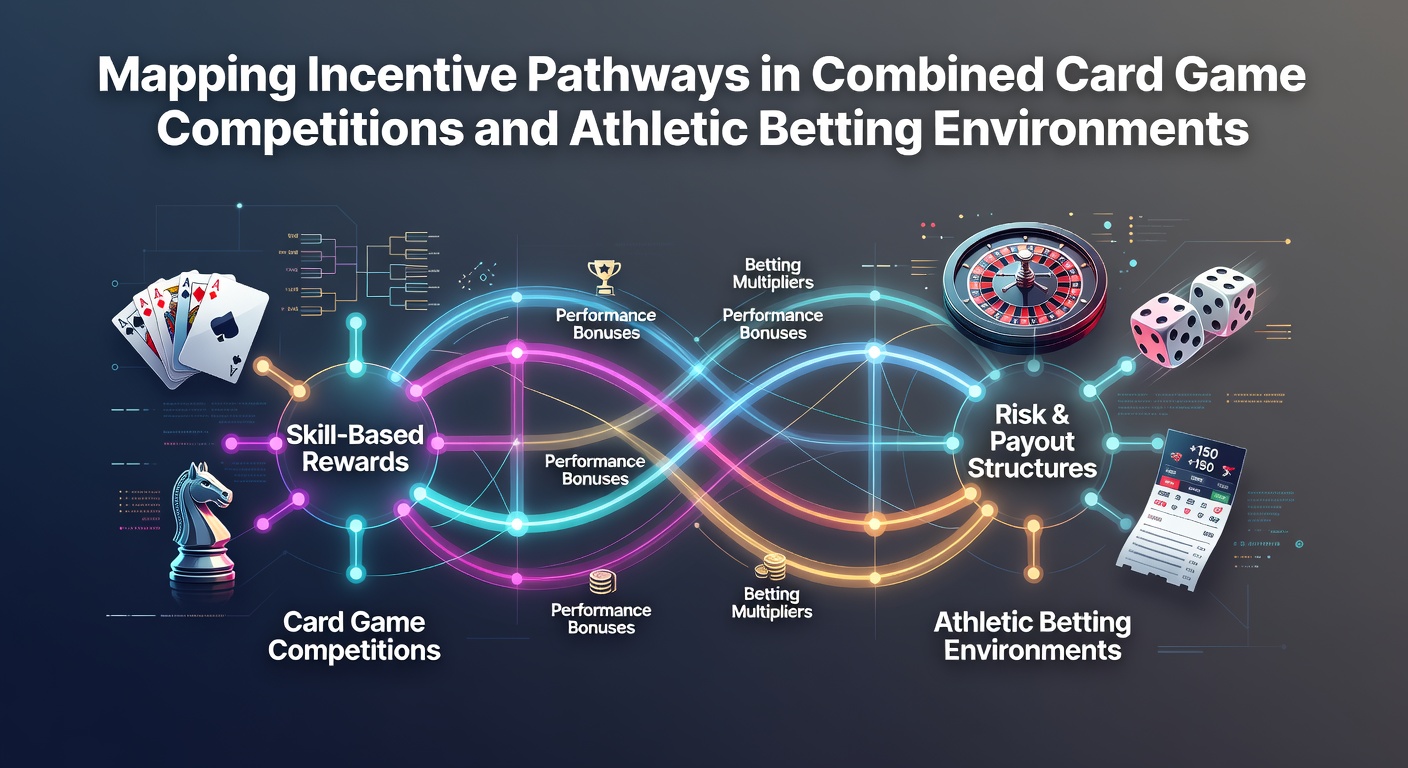
Integrated platforms that combine card game competitions with athletic betting create distinct pathways for incentives to travel from initial user deposits to tournament registrations and wager placements, and observers note these routes rely on sequential triggers that platforms activate through account funding and activity milestones. Data from multiple operators shows these pathways often start with a deposit that unlocks both poker-style tournament credits and sports betting enhancements at the same time, while subsequent play on one side feeds eligibility on the other through shared loyalty ledgers.
Tracing Deposit Triggers to Multi-Platform Access
Users typically begin by funding an account with a single transaction that satisfies verification requirements across both card game and sports betting sections, and once cleared the deposit activates parallel incentive streams rather than isolated ones. Researchers tracking these flows have found that a minimum deposit threshold, commonly set between twenty-five and fifty dollars depending on jurisdiction, simultaneously credits tournament buy-in chips and applies an odds multiplier to selected athletic events. This dual activation reduces the number of separate transactions users must complete, and platforms record higher retention when both environments draw from the same balance pool.
After the initial funding step, activity in card game competitions accumulates points that migrate automatically into sports betting reward tiers, and the migration occurs through backend ledgers that update every twenty-four hours. Those who have monitored these systems report that a player completing three card game sessions in a week often receives an automatic sports betting free bet token without additional deposits, demonstrating a direct incentive crossover that operators designed to increase overall engagement volume.
Cross-Environment Registration Mechanics
Registration for combined events follows a unified process where one profile satisfies entry criteria for both card game tournaments and athletic betting contests, and this single-profile model appears in major platforms operating across North America and parts of Europe. During May 2026 several operators introduced updated registration portals that pre-populate sports betting selections based on a user's recent card game history, creating a predictive incentive layer that surfaces relevant athletic markets automatically. The approach streamlines user navigation while ensuring that incentive eligibility remains synchronized between the two environments.
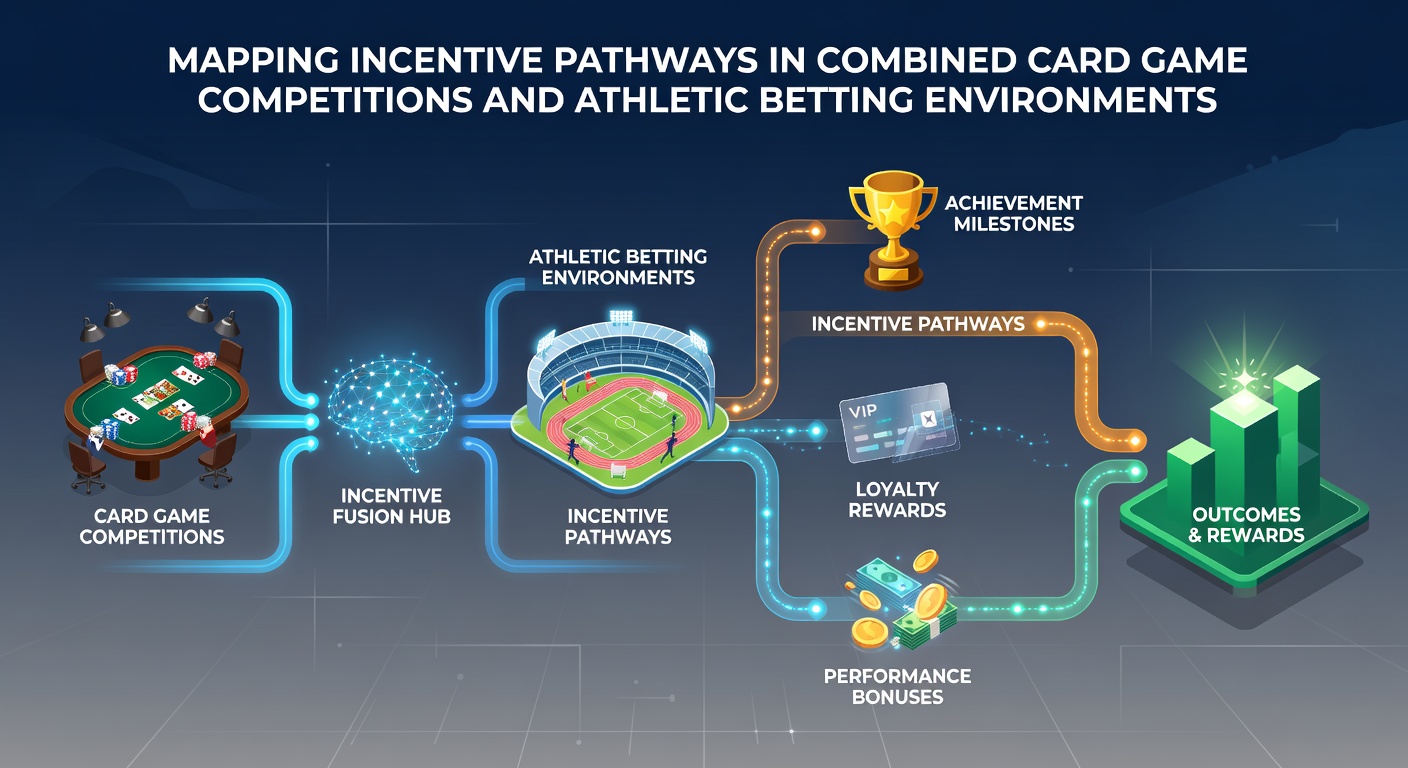
Once registered, the pathways branch according to performance metrics collected from each side, and successful card game outcomes can trigger enhanced odds or cashback percentages applied to upcoming sports wagers. Industry reports compiled by the Nevada Gaming Control Board indicate that such branching pathways now account for measurable increases in cross-category play volume during peak tournament months, with data sets showing consistent patterns across multiple operator networks.
Regulatory Frameworks Shaping Pathway Design
Regulatory bodies in different regions impose varying rules on how incentives may transfer between card game and athletic betting segments, and these rules directly influence the visibility and timing of mapped pathways. In Canada the Alcohol and Gaming Commission of Ontario requires clear disclosure of any cross-environment reward transfer before users complete deposits, while Australian state regulators emphasize audit trails that document every step from funding to reward redemption. Operators adjust their internal mapping systems to meet these standards, resulting in standardized reporting formats that external reviewers can examine without accessing proprietary user data.
Academic studies examining user behavior in integrated environments have documented that transparent pathway mapping correlates with longer session durations, and one analysis from a Canadian research consortium found that users who understood the full incentive route from deposit to dual-environment rewards returned at higher rates than those who encountered opaque processes. The findings underscore how regulatory emphasis on clarity shapes both technical architecture and user experience outcomes across jurisdictions.
Practical Examples of Pathway Execution
Consider a scenario where an account holder deposits funds on a Monday, registers for a mid-week card game satellite, and later that same week places an athletic wager using accumulated loyalty points, and this sequence illustrates a complete incentive pathway that platforms track through timestamped ledger entries. Another common route involves users who begin in the sports betting section, generate loss-recovery credits, and then apply those credits toward card game tournament entries without further cash deposits. Observers tracking May 2026 platform activity noted an uptick in such reversed pathways following the rollout of new promotional calendars that synchronized major athletic events with card game festival schedules.
These examples demonstrate how the same underlying mapping infrastructure supports multiple directional flows, allowing operators to test which sequence produces stronger retention signals without rebuilding core systems for each campaign.
Conclusion
Mapping incentive pathways in combined card game competitions and athletic betting environments reveals structured sequences that begin wth deposits and extend through performance-based transfers between the two activity types. Regulatory requirements in North America and Australia continue to guide how operators document and disclose these sequences, while platform updates scheduled around May 2026 further refine the synchronization of rewards across environments. Data collected by oversight agencies and academic groups shows measurable effects on user retention and cross-category participation, confirming that clear pathway architecture remains central to integrated platform operations.