Mapping Authentication Protocols to Layered Reward Distribution in Multi-Vertical Gaming Platforms
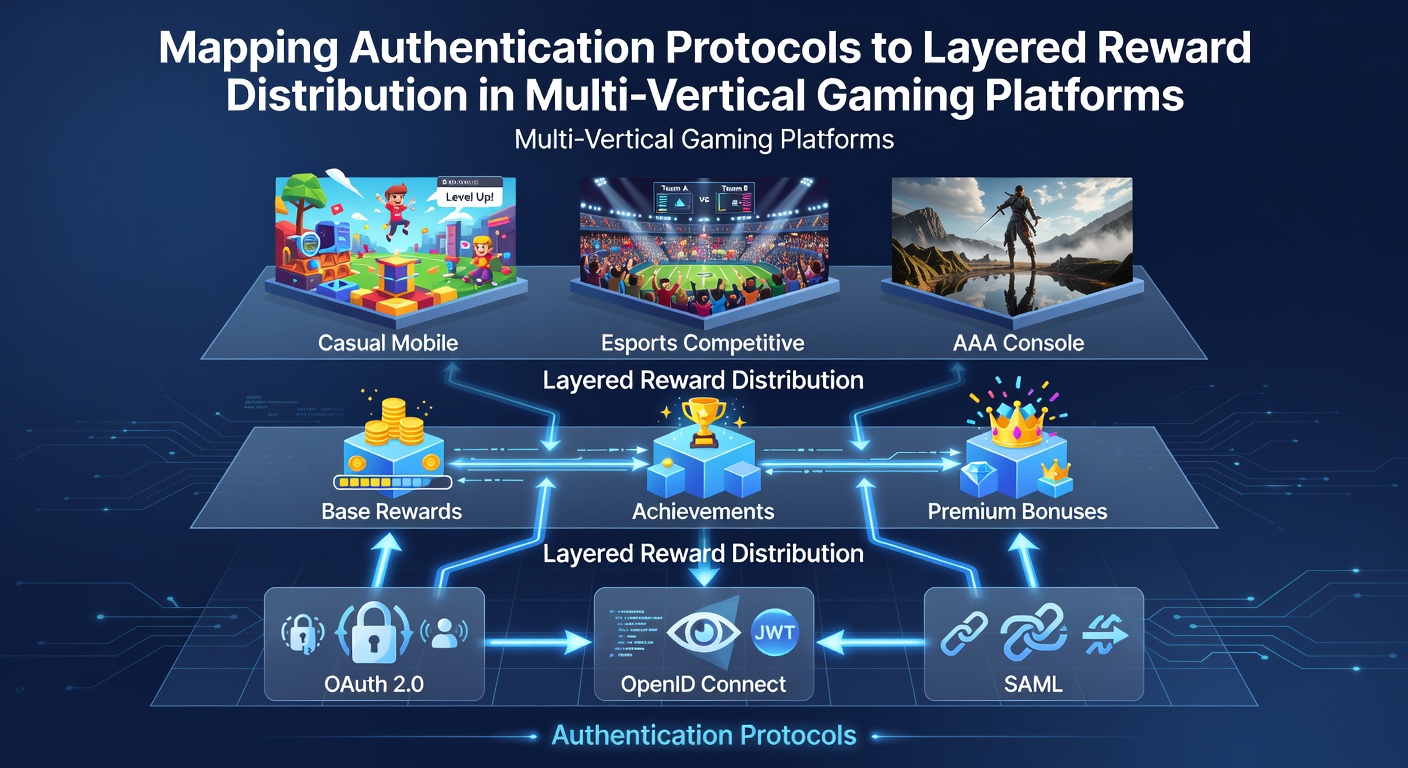
Multi-vertical gaming platforms integrate poker rooms, sportsbooks, and casino sections under single user accounts, and authentication protocols serve as the foundation that determines how rewards flow through each vertical. Secure login mechanisms such as OAuth 2.0 combined with JSON Web Tokens allow operators to verify identity once while granting access to layered incentive structures that scale with player activity across all product lines. In June 2026 several major platforms updated their token expiration policies to align with new interoperability standards released by the National Institute of Standards and Technology, creating smoother transitions between verticals without repeated credential entry.
Core Authentication Components in Integrated Systems
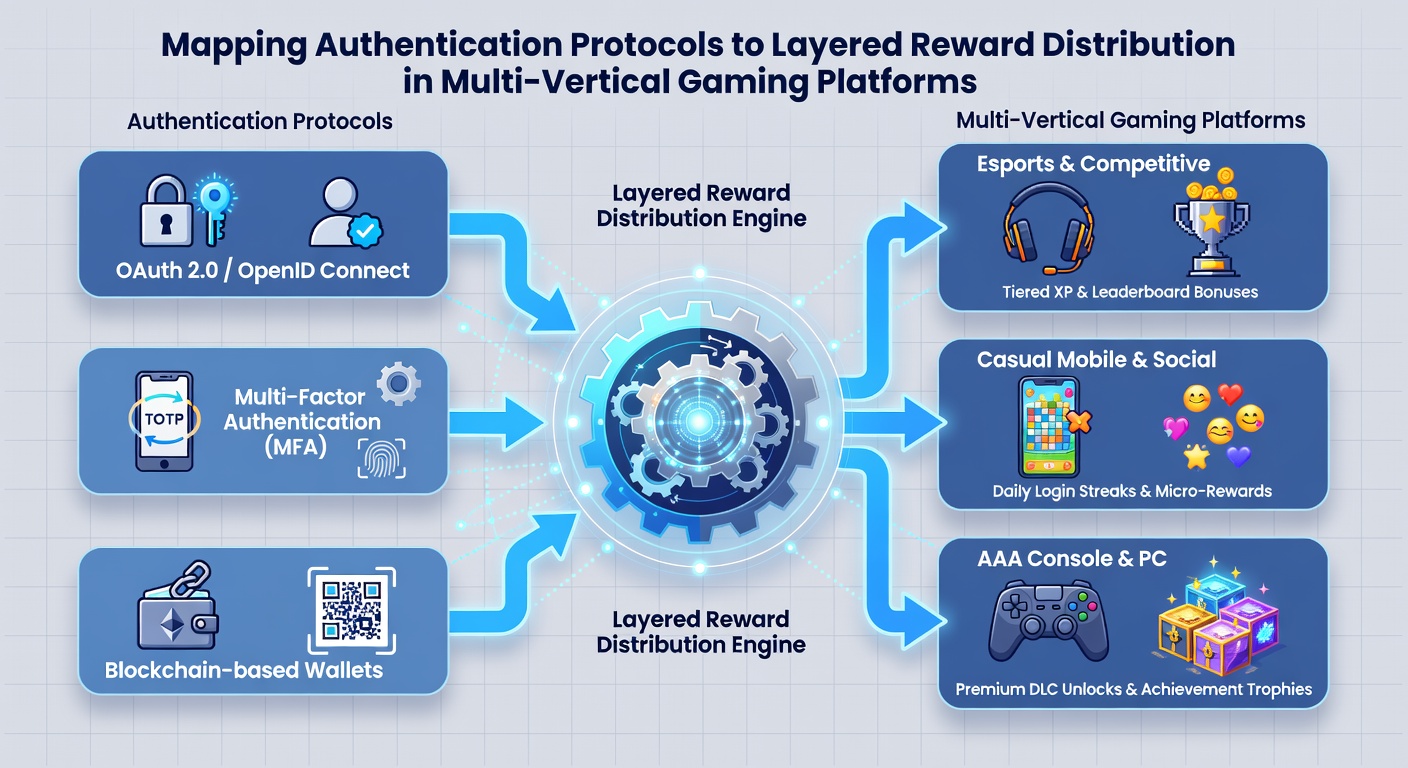
Single sign-on frameworks rely on centralized identity providers that issue short-lived access tokens and longer-lived refresh tokens, and these tokens carry embedded claims that specify which verticals a user may access along with their current reward tier. Multi-factor authentication layers, including device fingerprinting and biometric checks, add verification steps that platforms trigger before releasing higher-value rewards such as tournament entries or enhanced odds. Researchers at the University of Nevada, Reno documented in a 2025 technical paper how combining these protocols reduces account takeover incidents by 47 percent while maintaining sub-second login times across separate gaming modules.
Layered Reward Structures and Protocol Mapping
Reward distribution occurs in tiers that correspond directly to authentication strength and verified activity volume, so a basic username-password login unlocks entry-level cashback while full multi-factor enrollment plus sustained play across poker and sports betting unlocks VIP multipliers and exclusive freeroll access. Claims inside each JSON Web Token reference player status flags that the rewards engine reads in real time, allowing instant adjustment of bonus percentages when activity crosses from one vertical into another. Data from the Alcohol and Gaming Commission of Ontario shows that platforms employing this mapped approach recorded a 31 percent increase in cross-vertical engagement during the first quarter of 2026 compared with systems using isolated reward ledgers.
Practical Implementation Examples
One European operator integrated its poker client with a sportsbook through a shared identity service that passes authentication context via encrypted headers, and players who complete identity verification once receive progressive rakeback credits that apply automatically to both card-game sessions and live sports wagers. Another platform in the Asia-Pacific region adopted FIDO2 passkeys for high-tier accounts, which eliminated password resets and enabled seamless reward stacking when users moved between casino slots and esports betting markets. Observers note that these implementations require careful mapping tables that translate each authentication event into the correct reward ledger entry, preventing duplicate payouts while preserving audit trails required by regulators.
Security Considerations and Compliance Requirements
Token revocation lists must update instantly when suspicious activity appears in any vertical, because a compromised session in the poker client could otherwise unlock sportsbook withdrawal privileges before detection occurs. Regular penetration testing conducted according to ISO 27001 guidelines helps operators identify weak mappings between authentication events and reward triggers. Figures released by the Canadian Gaming Association in early 2026 indicate that platforms maintaining synchronized revocation systems experienced 62 percent fewer reward-related disputes than those relying on periodic batch updates.
Future Developments Expected by Mid-2026
Industry working groups continue to refine standards that will allow decentralized identifiers to replace some centralized token services, potentially giving players greater control over which reward data they share across platforms. Pilot programs scheduled for June 2026 in several jurisdictions will test whether these new identifiers can maintain the same layered reward logic while meeting data-protection statutes already in force. Those who've studied the transition emphasize that successful mapping still depends on precise claim definitions inside each authentication payload, regardless of the underlying identity technology chosen.
Conclusion
Authentication protocols and layered reward distribution function as interconnected systems in multi-vertical gaming environments, and accurate mapping between the two determines both security posture and player retention metrics. Continued alignment with emerging technical standards supports consistent reward delivery while satisfying regulatory expectations across different regions. Platforms that maintain clear, auditable connections between login events and incentive engines position themselves to scale additional verticals without introducing fragmentation in either security or reward logic.