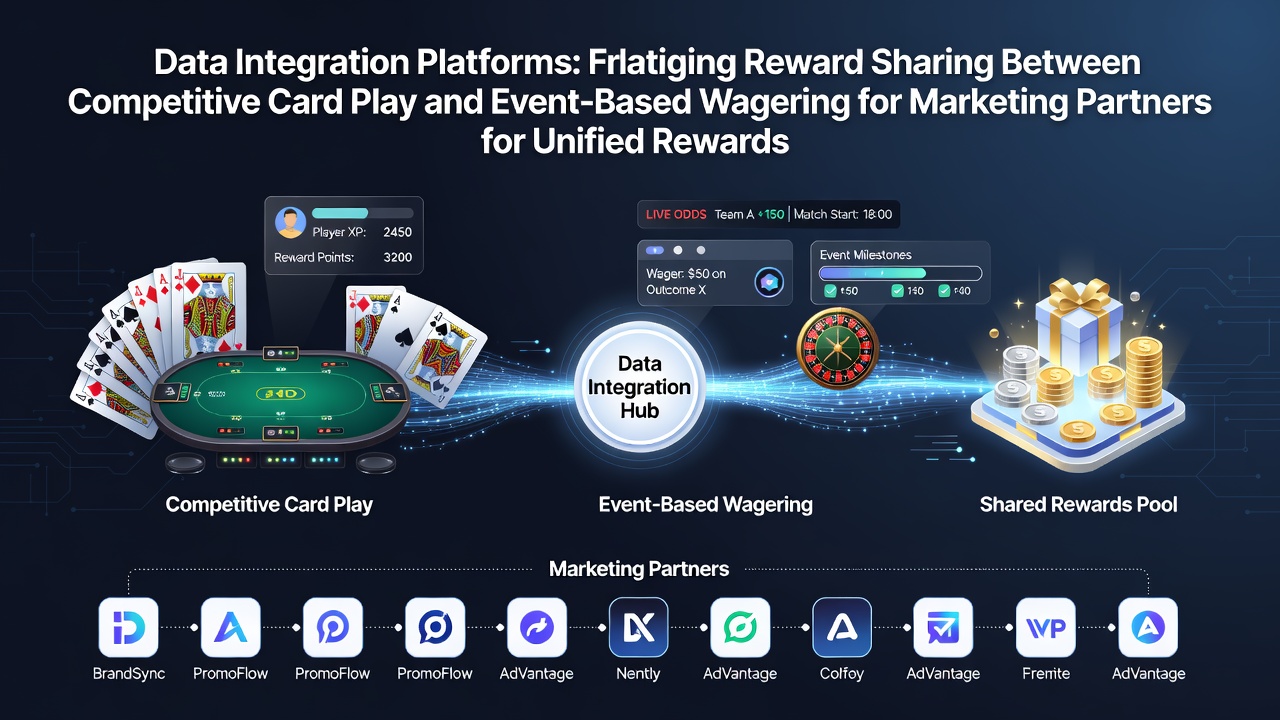
How Data Integration Platforms Facilitate Reward Sharing Between Competitive Card Play and Event-Based Wagering for Marketing Partners
Data integration platforms serve as the central infrastructure that connects separate verticals in gaming ecosystems, allowing poker tournament results and sports event outcomes to feed into unified reward structures. These systems pull real-time data from card competition servers and athletic betting feeds, then apply predefined rules to allocate credits, bonuses, and loyalty points across partner accounts. Marketing partners rely on this flow to create cross-vertical promotions without manual reconciliation or delayed payouts. Platform architecture typically includes API endpoints that standardize inputs from poker operators and sportsbook providers, while middleware handles the mapping of user identifiers across environments. When a player registers for a June 2026 limit Omaha event through an integrated portal, the system logs the entry fee and performance metrics, then triggers conditional offers for upcoming athletic contests based on deposit history and engagement patterns. Observers note that this synchronization reduces friction that previously required separate logins and manual code entry.Core Mechanisms of Data Exchange
Event listeners within these platforms monitor table game completions and match resolutions simultaneously, pushing structured records into a shared database layer. Reward engines then evaluate conditions such as minimum hands played, win thresholds, or wager volumes before distributing partner-specific incentives. According to industry reports from the American Gaming Association, synchronized data streams have supported measurable increases in player retention across multi-product operators.
Tokenization protocols maintain user anonymity during transfers while preserving audit trails required by regulatory bodies like the Nevada Gaming Control Board. Marketing teams configure rule sets that convert poker rake contributions into sportsbook credit lines, with settlement occurring within defined time windows after each qualifying event. This setup allows partners to track campaign performance through unified dashboards that aggregate metrics from both card rooms and betting markets.
Implementation for Marketing Partners
Partners access modular toolkits that define reward tiers based on combined activity across verticals, such as converting a strong performance in a June 2026 WSOP Circuit stop into enhanced odds on major league events. Data pipelines normalize formats from legacy poker software and modern sportsbook APIs, ensuring consistent application of bonus multipliers regardless of the originating platform. Research from academic studies at the University of Nevada, Las Vegas has examined how these normalized datasets improve attribution accuracy for affiliate campaigns.
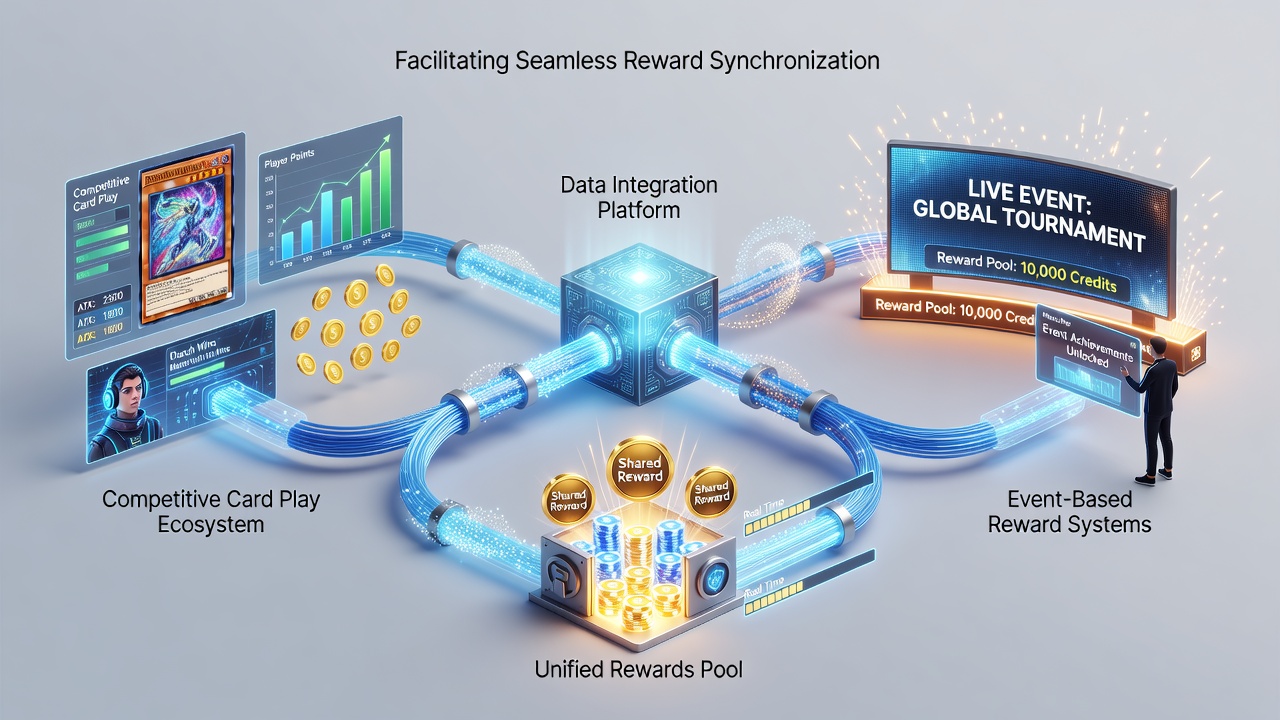 Partners configure segmentation filters that identify high-value users who participate in both competitive card formats and live sports markets, then deliver targeted offers through the same integration layer. Real-time synchronization means that a tournament cash-out can immediately influence available wagering limits or promotional eligibility on partnered sites. Figures from the European Gaming and Betting Association indicate that operators using centralized integration layers report higher cross-sell conversion rates compared with siloed systems.
Security and Compliance Layers
Encryption standards and access controls protect data in transit between poker databases and wagering ledgers, while role-based permissions limit which marketing partners can view aggregated versus individual records. Compliance modules automatically flag transactions that exceed jurisdictional thresholds, routing them for manual review before reward distribution completes. Those who manage these platforms often implement automated logging that satisfies reporting obligations to authorities across multiple regions, including oversight from the Malta Gaming Authority and state-level commissions in the United States.
Partners benefit from audit-ready export functions that detail every reward allocation tied to specific poker results or sports outcomes. This transparency supports reconciliation processes and helps demonstrate adherence to advertising standards that govern incentive promotions. Data pipelines incorporate checksum validations to prevent discrepancies that could arise from network interruptions or format mismatches during high-volume periods such as major June 2026 tournament series.
Future Developments in Platform Capabilities
Emerging enhancements focus on expanding machine learning models that predict optimal reward timing based on historical cross-vertical behavior patterns. These models ingest anonymized datasets to suggest incentive structures that align poker achievement milestones with upcoming athletic events, thereby increasing engagement windows for marketing campaigns. Integration vendors continue to refine latency reductions so that reward credits appear in user accounts within seconds of event finalization.
Conclusion
Data integration platforms establish the technical foundation that enables seamless reward sharing between competitive card play and event-based wagering environments. Through standardized data flows, rule-based engines, and compliance safeguards, marketing partners gain the ability to deliver coordinated incentives that span both verticals. Continued refinement of these systems supports more precise attribution and faster settlement, strengthening collaborative opportunities across the gaming sector.