
Examining Lifecycle Patterns of Tiered Incentives Linking Table Game Wins to Event-Based Wagering Credits in Hybrid Portals
Hybrid portals combine table game environments with sports wagering interfaces, and these platforms track incentive flows that begin with player registrations and extend through multiple activity layers. Registration data from integrated systems show that initial deposits often trigger base-level credits, while subsequent table game performance determines progression into higher tiers that unlock event-specific wagering allocations. Lifecycle patterns emerge when operators log sequences of wins from card-based competitions, then convert portions of those results into credits applicable only during designated sporting events. Platform analytics reveal that players typically advance through three or four tiers within the first 60 days of activity, provided their table game outcomes meet predefined thresholds for frequency and volume.Registration and Early Accumulation Stages
Entry points in these ecosystems require users to complete identity verification before accessing both verticals, and records indicate that completion rates climb when operators bundle the process with immediate credit previews for upcoming events. Early accumulation focuses on table game sessions where wins generate points that feed directly into a shared ledger visible across poker and sports interfaces.
Operators monitor the interval between first deposit and first table game win, because shorter intervals correlate with faster tier advancement according to aggregated platform metrics. Those who achieve consistent results in the initial weeks move into mid-tier status, which expands the range of events eligible for converted credits while also increasing the percentage of table game winnings that translate into wagering funds.
Mid-Tier Transition and Credit Conversion Mechanics
Transition mechanics activate once players surpass set win thresholds, at which point systems automatically allocate credits tied to specific event categories such as major league matches or tournament series. Conversion ratios adjust dynamically based on overall platform volume, and data collected through June 2026 show that mid-tier users receive between 15 and 35 percent of their table game net wins converted into event-based credits depending on activity streaks.
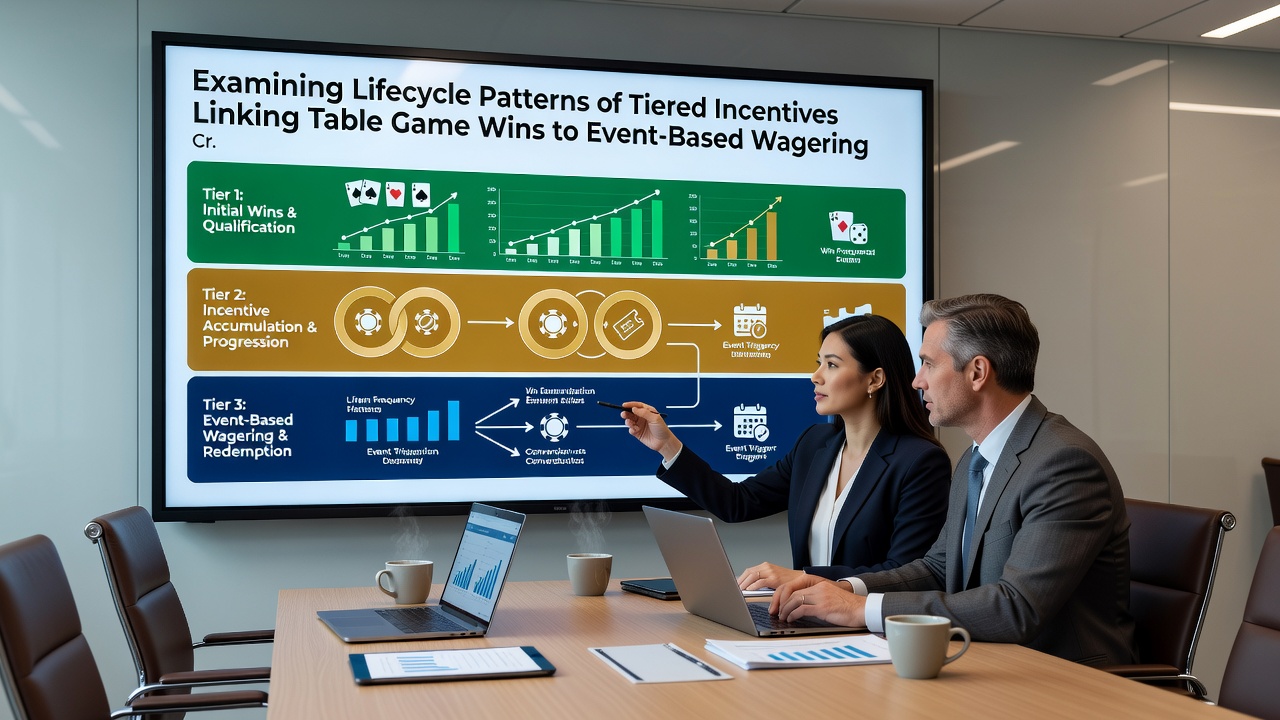
Event-based wagering credits carry expiration windows that align with sports calendars, prompting players to time their table game participation around upcoming fixtures. Systems log these timing patterns, and analysts note that conversion peaks occur when table game sessions coincide with high-profile athletic events scheduled within the same week.
Advanced Tier Behaviors and Retention Loops
Advanced tiers introduce additional variables including loyalty multipliers and cross-vertical caps that limit total credits transferable in any single calendar month. Retention data from hybrid operators demonstrate that players reaching top tiers maintain activity levels when credit values remain competitive with standalone sports platforms, while drops in conversion rates often precede reduced engagement across both verticals.
External reporting from the New Jersey Division of Gaming Enforcement highlights similar patterns in multi-vertical environments where incentive layering influences session duration and cross-product movement. Parallel observations appear in reports issued by the Australian Gambling Research Centre, which tracks how tiered structures affect long-term participation across card and sports products.
Platform Data Patterns Through Mid-2026
Through June 2026, platform telemetry indicates that lifecycle duration from base to top tier averages 14 weeks for consistent users, while intermittent participants require nearly twice that span. Seasonal sports calendars exert measurable influence, with conversion volumes rising sharply during major international competitions and contracting during off-peak periods.
Operators adjust tier thresholds periodically to balance incentive costs against player retention goals, and these adjustments appear in public filings submitted to regulatory bodies overseeing hybrid licenses. The resulting datasets allow researchers to map how win frequency in table games predicts subsequent credit utilization rates in event wagering sections.
Conclusion
Lifecycle patterns in these hybrid systems follow measurable sequences that begin with registration, progress through win-triggered tier advancement, and culminate in timed credit deployment for sporting events. Platform records document consistent relationships between table game performance metrics and downstream wagering credit activity, while regulatory filings supply additional context on how operators calibrate these linkages over time. Continued collection of session-level data supports ongoing examination of these flows across expanding hybrid environments.