
Decoding Integrated Loyalty Frameworks That Link Competitive Card Play With Athletic Event Wagering
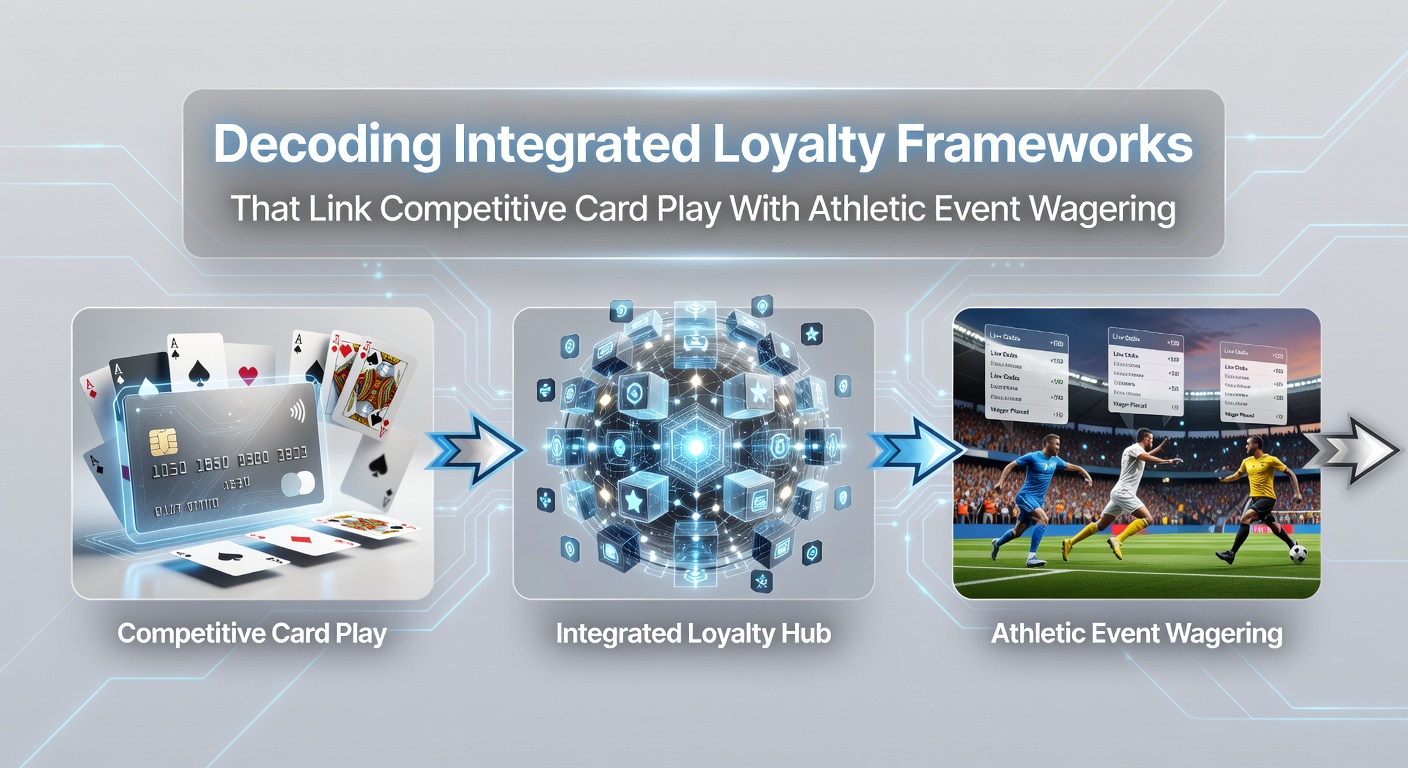
Integrated loyalty frameworks connect competitive card play with athletic event wagering through unified point systems that track player activity across multiple verticals, and these setups allow participants to accumulate rewards from poker sessions that later convert into credits for sports wagers on shared digital platforms. Operators design these frameworks around centralized databases that log every hand played in tournaments alongside every bet placed on athletic events, which creates seamless transitions between the two activities without requiring separate accounts or logins. Data from regulatory filings indicates that such systems grew in adoption during the first half of 2026 as platforms sought to retain users who split time between card competitions and live sports markets.
Core Components of Cross-Vertical Reward Mapping
These frameworks rely on tiered membership levels where activity in card rooms directly influences betting limits and promotional access in sports sections, and conversion rates typically follow algorithms that weigh factors such as tournament buy-ins, win rates, and session duration against sports wager volume. Authentication protocols verify user identity once at entry then maintain session continuity across both environments so that earned loyalty units flow automatically into either vertical. Researchers at institutions studying gaming ecosystems have documented how these mappings reduce player churn by offering tangible value that compounds over time rather than resetting at the end of each month.
One mechanism involves deposit-triggered multipliers where funds added for poker events generate bonus entries that carry over as enhanced odds on athletic contests, while another tracks loss recovery across both formats so that net deficits in card play unlock partial rebates usable on upcoming sports markets. In June 2026 several major operators updated their backend software to incorporate real-time synchronization that reflects poker results in sports dashboards within seconds of tournament completion, which eliminated previous delays that frustrated users attempting to switch activities mid-session.
Technical Pathways for Point Conversion and Redemption
Backend architecture employs application programming interfaces that pull data from poker servers and feed it into sports wagering engines, allowing the same loyalty currency to purchase tournament seats or influence live betting lines depending on user preference. Security layers encrypt transaction histories to meet standards set by oversight bodies in multiple jurisdictions, and this encryption supports audit trails required for compliance reporting. Observers note that platforms employing these pathways often report higher average user engagement because the unified system removes friction that once forced players to manage separate reward balances.
Redemption options expand during peak athletic seasons when card-derived points gain additional utility through boosted payouts on major events, yet the core conversion math remains consistent year-round. Reports from the Australian Gambling Research Centre highlight how such flexibility helps operators comply with responsible gaming guidelines by encouraging balanced participation rather than concentrated activity in a single vertical. Players who navigate these systems successfully often discover that consistent card performance opens higher sports betting thresholds unavailable to new accounts.
Regulatory Considerations Across Jurisdictions
Regulatory bodies in North America and Europe require clear disclosure of conversion ratios so that participants understand exactly how card winnings translate into sports advantages, and operators must maintain segregated ledgers to prevent commingling of funds across verticals. In June 2026 updates from the International Centre for Responsible Gaming emphasized the need for transparent audit logs that demonstrate fair application of loyalty rules regardless of which activity generated the points. These requirements shape how frameworks evolve because non-compliance risks license restrictions that halt cross-vertical promotions entirely.
Platforms address these rules by embedding compliance checks directly into the loyalty engine so that redemptions trigger automatic reviews before credits appear in either poker or sports accounts. This approach minimizes manual oversight while satisfying reporting demands from state and provincial regulators who monitor player protection metrics on an ongoing basis.
Future Developments in Unified Gaming Ecosystems
Continued refinement of these frameworks centers on artificial intelligence models that predict optimal reward allocations based on individual playing patterns across card and sports activities, and early deployments in 2026 already show measurable lifts in retention when recommendations align closely with user history. Integration with emerging payment rails further streamlines the movement of value between verticals so that winnings from one domain fund activity in the other without intermediate steps. Those who monitor industry filings expect additional standardization as more jurisdictions adopt rules specific to multi-vertical loyalty programs.
Conclusion
Integrated loyalty frameworks represent a structural shift in how operators manage engagement across competitive card play and athletic event wagering, with technical and regulatory elements working together to create unified experiences. The systems documented in 2026 demonstrate measurable impacts on player behavior through synchronized rewards that respect jurisdictional boundaries while delivering consistent value. Continued evolution will depend on ongoing compliance innovations and technological refinements that keep pace with user expectations in both verticals.