
David Coleman Captures $420,000 Top Prize in 2026 U.S. Poker Open $25K Finale, Brock Wilson Clinches Back-to-Back Championship
The Climactic Finish to a High-Roller Series
David Coleman emerged victorious in the $25,000 No-Limit Hold'em finale, Event #10 of the 2026 U.S. Poker Open, held on April 21-22 at PokerGO Studios in Las Vegas; he defeated Kristen Foxen heads-up, securing $420,000 while Foxen claimed second place with $264,000. This win wrapped up the ten-event series that unfolded from April 10 through April 22, drawing top talent to the felt under the bright lights of the PokerGO venue. Observers noted how Coleman's performance capped off an intense schedule, where players battled across buy-ins ranging from $10,000 to this flagship $25K event, all streamed live for poker enthusiasts worldwide.
But here's the thing: the U.S. Poker Open has established itself as a marquee stop on the high-roller circuit, and this 2026 edition delivered drama right to the end; Coleman's triumph not only highlighted his skill in navigating a tough final table but also paved the way for the overall championship reveal. Data from the series leaderboard, as tracked by organizers, showed how cumulative points and earnings shaped the bigger picture, with every hand carrying weight toward the top honors.
Final Table Action Unfolds with Intensity
The final table featured a stacked field of poker pros, each vying for a share of the hefty prize pool generated from the $25K buy-in; Coleman started among the leaders, methodically building his stack as eliminations mounted. Turns out, key moments like well-timed bluffs and river calls propelled him forward, while opponents faltered under pressure; Foxen, known for her heads-up prowess from prior high-stakes battles, held strong into the late stages, setting up what became a gripping duel.
Experts who've dissected the streamed footage point out how Coleman's adaptability shone through, especially when he navigated short-stack situations earlier in the day, turning potential disasters into momentum swings; the event, sanctioned under Nevada's gaming oversight by the Nevada Gaming Control Board, adhered to strict standards that ensure fair play in such marquee tournaments. And as chips flew across the table, the crowd—both live and online—watched Coleman seize control, eliminating challengers one by one until only Foxen remained.
Short stacks doubled up sporadically, yet the relentless pace wore down the field; Coleman entered heads-up with a slight edge, but Foxen mounted comebacks that kept the rail buzzing. What's interesting is how the payout structure incentivized aggression, with third place and beyond offering solid returns that rewarded survivors, yet the top two spots loomed largest at $420,000 and $264,000 respectively.
Heads-Up Showdown: Coleman Edges Foxen in Thriller
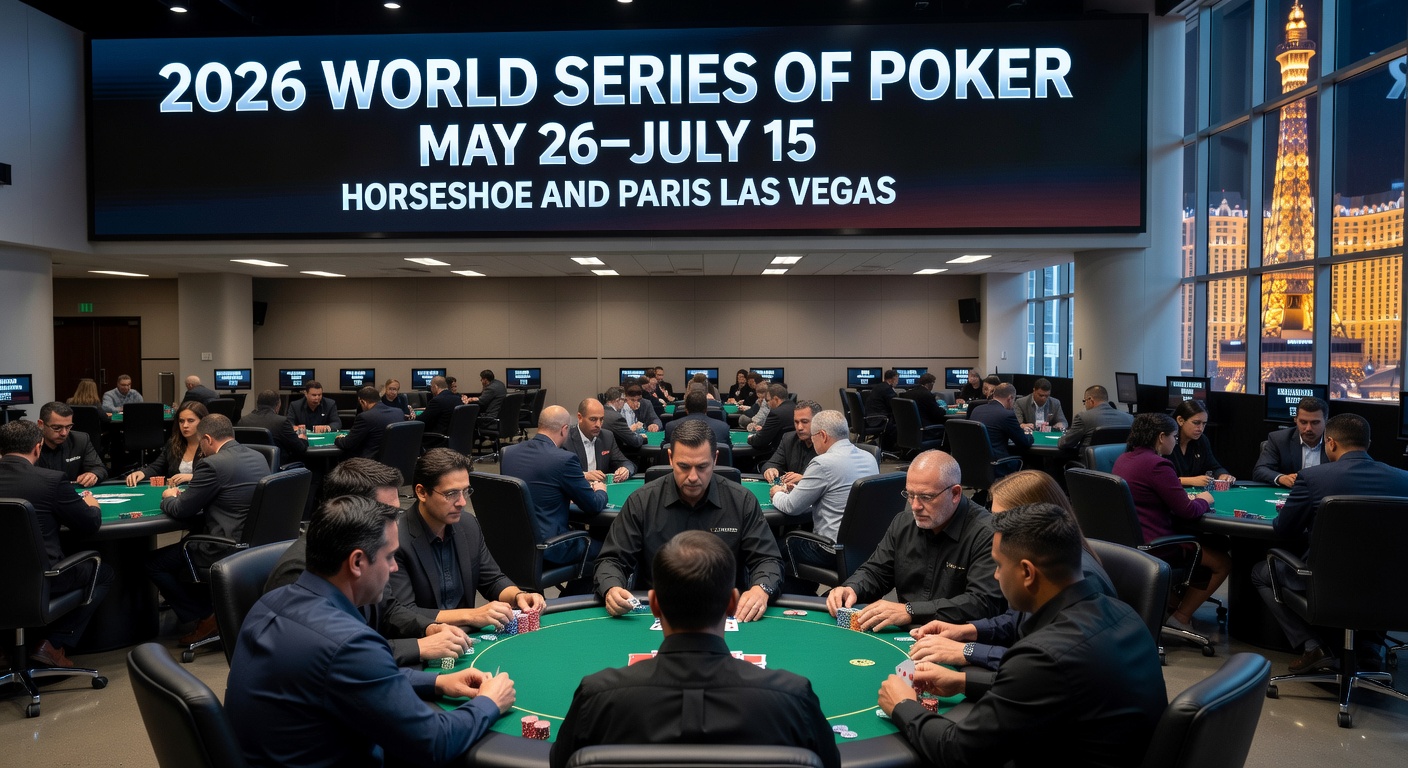
Coleman and Foxen traded blows in heads-up play that stretched over hours, with stacks fluctuating wildly as big pots decided momentum; Foxen clawed back from deficits at times, landing premium hands that tested Coleman's resolve, but he responded with calculated risks that paid off. Figures from PokerNews coverage reveal the final hand saw Coleman river a superior holding, shipping the pot and the title his way after a grueling exchange.
People who've followed Foxen's career—and she's racked up millions in live earnings—know she thrives in these spots, yet Coleman's poise under the lights proved decisive; the victory marked a career highlight for him, adding to his tournament resume while Foxen's runner-up finish bolstered her standing among elite female players. It's noteworthy that such heads-up battles often hinge on reads and endurance, and this one exemplified that perfectly, drawing comparisons to classic high-roller finishes from past USPO events.
Yet the real story extended beyond the felt: this finale not only distributed immediate prizes but influenced the series points race, where consistency across multiple events mattered most. Observers note how players like Coleman focused on the event win, while others chased the overall crown through volume and cashes.
Series Overview: Ten Events of High-Stakes Poker
From April 10 to 22, the 2026 U.S. Poker Open hosted ten tournaments at PokerGO Studios, attracting a who's who of poker with buy-ins that tested bankrolls and skills alike; Event #10 stood as the capstone, but earlier stops featured mixed games, Pot-Limit Omaha, and No-Limit Hold'em variants that kept the action diverse. Data indicates participation topped previous years, fueled by the event's reputation for elite fields and transparent streaming via PokerGO's platform.
Take one standout from the series: players navigated deep runs amid variance, with side events offering chances to accumulate points; the leaderboard, updated daily, became a battleground where small edges compounded. And while individual wins like Coleman's grabbed headlines, the cumulative format rewarded grinders who posted multiple cashes, setting the stage for the overall champion.
Now, the schedule's tightness—spanning just under two weeks—demanded peak performance from entrants, many flying in from global spots; PokerGO Studios, with its intimate setup and high-production broadcasts, amplified every all-in, making the series a must-watch in April 2026. Those who've studied tournament trends know how venues like this foster intense play, minus the distractions of larger casino floors.
Brock Wilson Repeats as U.S. Poker Open Champion
Brock Wilson claimed the 2026 U.S. Poker Open Championship for the second straight year, topping the leaderboard with $434,900 in earnings and 495 points, as confirmed by official tallies from the PokerGO Tour. His dominance stemmed from strong showings across multiple events, outpacing rivals who chased but couldn't catch; Wilson's repeat feat echoes rare back-to-back titles in high-roller series, underscoring his consistency in a field prone to swings.
Figures reveal he amassed points through cashes and final tables, with key finishes propelling him ahead; experts observe how his strategy—balancing aggression with patience—suited the multi-event grind. That's where the rubber meets the road in championship races: not just one big score, but sustained excellence. And for Wilson, defending the crown added a layer of pressure he handled masterfully, cementing his status among top tournament pros.
One case that highlights this: players trailing him needed massive runs in the finale to overtake, but Coleman's win, while lucrative, didn't shift the points enough; Wilson's buffer proved insurmountable, rewarding his series-long efforts. It's interesting how such leaderboards create narratives, turning individual battles into a broader saga.
Player Spotlights and Broader Context
Coleman, whose live earnings now swell with this $420K score, joins a list of USPO winners who've leveraged these events for career boosts; Foxen, securing $264K, adds to her impressive tally, where heads-up runs have become a signature. People often find that PokerGO events like this serve as proving grounds, scouting talent for bigger tours.
But here's where it gets interesting: the 2026 edition unfolded amid a poker boom, with live streaming drawing record views; April's timing slotted perfectly between major festivals, pulling pros stateside. Observers note the role of venues like PokerGO Studios in elevating tournament poker, offering crystal-clear broadcasts that rival sports events.
Additionally, the series' structure—with points doubling for winners and scaling down—encouraged bold play; take Wilson's path, blending deep runs with timely cashes, a blueprint others emulate. And while the finale stole the show, earlier events laid groundwork, from $10K openers to specialized formats that tested versatility.
Conclusion: A Series for the Ages
The 2026 U.S. Poker Open delivered thrills through its ten events, culminating in David Coleman's $420,000 victory over Kristen Foxen in the $25K No-Limit Hold'em finale on April 21-22; Brock Wilson's back-to-back championship, with $434,900 and 495 points, rounded out a memorable chapter. Data from organizers underscores the event's success, setting benchmarks for future high-roller series at PokerGO Studios.
So as the dust settles in Las Vegas, players eye next stops, carrying lessons from this intense fortnight; the writing's on the wall that USPO remains a cornerstone, where fortunes flip on a single hand, yet champions like Wilson endure through the grind. Turns out, in poker, consistency crowns kings—and 2026 proved that once again.